
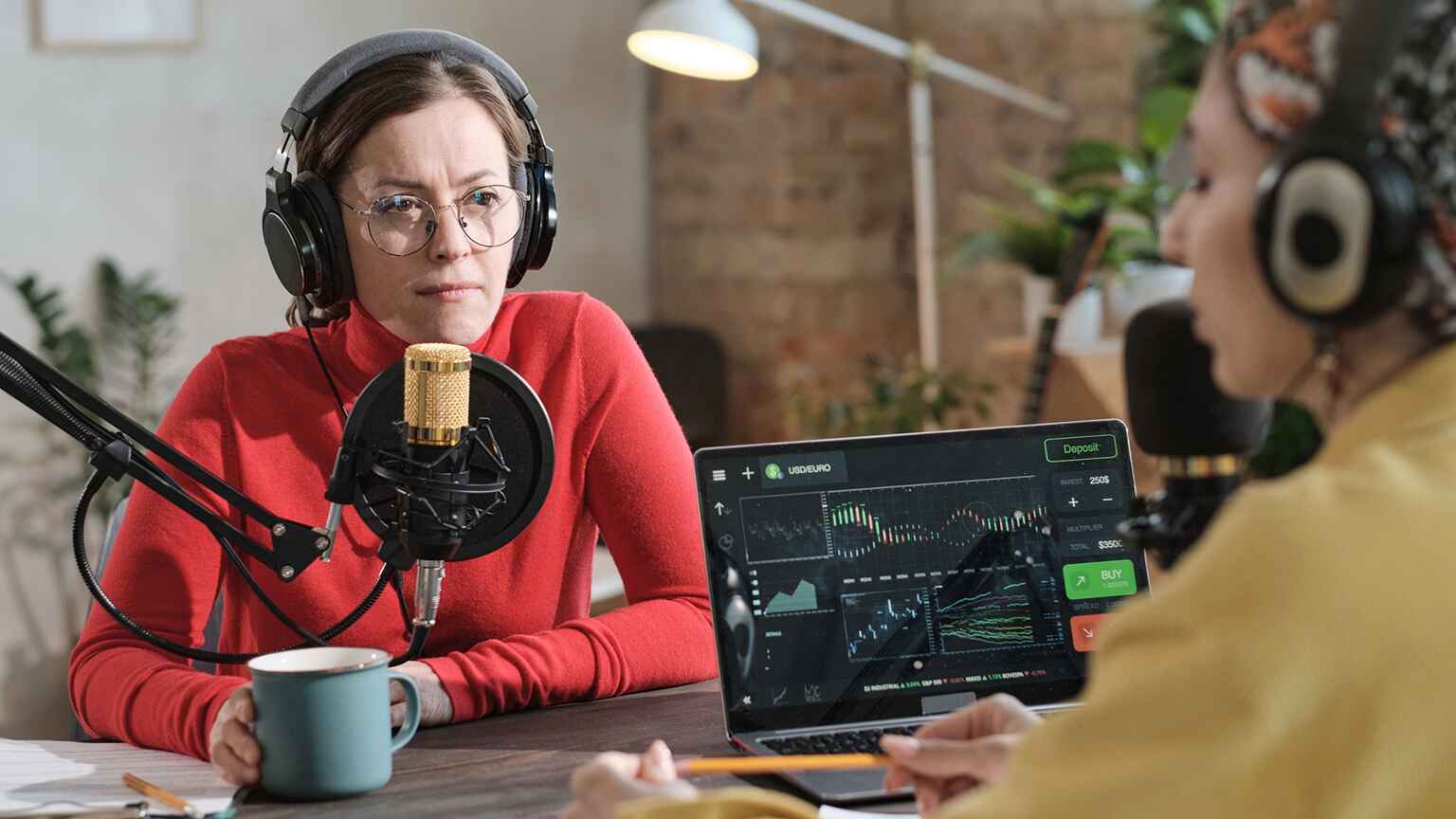
Video production often gets mistaken for something simple: show up, hit record, just put it together, and you’re done. Really? But in reality, that’s nowhere close to what's actually done. What you don’t see in the final cut is the weeks and weeks of planning, constant troubleshooting, changes, then replanning, and hundreds of micro-decisions that happen from start to finish. A video production company runs like a creative logistics engine, and each and every person, decision, and change matters. Come with us to get first-hand experience of what and how things are done inside the Mystic Studio.
Concept and Creative Development
The first step in any project is figuring out what’s actually being made. A client might come in with a detailed brief, or sometimes just a vague idea like “we want to highlight our new product.”
Now, from there onwards, it's up to the creative team to start shaping and choose a direction for branding that makes sense for the brand, audience, and platform. Groundwork is laid along with extensive research about the tone, visual style, pacing, and most importantly, the message — all of it gets built from scratch.
First, the content writers draft scripts, not just for dialogue but for how the story flows visually. Producers help refine the idea so that it’s not just good on paper, but shootable within time and budget constraints. Everything needs to be both creatively strong and practically realistic.
Pre-Production: Building the Foundation
Once the idea is locked, pre-production begins. This is the most critical phase of the entire process. Every logistical and creative decision is made here, and if it’s rushed, the shoot suffers.
Storyboarding helps translate the script into a visual sequence. Even if the drawings are rough, the director and cinematographer now have a shot-by-shot plan. It keeps everyone aligned before a single frame is filmed.
Casting decisions follow, depending on the video. When the team needs actors, voiceover talent, or real employees. Choosing the right people is about more than just appearance or voice quality. It’s about finding personalities that feel genuine and fit the tone of the story– the theme of Brand.
Location scouting is handled with care. A kitchen scene isn’t just about the look — it has to be well-lit, quiet, accessible, and logistically manageable for the crew. Permits, parking, background noise, and even the number of power outlets all come into play.
Schedules are built with precision. Every hour on set is expensive, and a solid call sheet outlines where everyone needs to be and when. Gear lists are finalized, backup plans are discussed, and the production manager makes sure every detail is accounted for.
Production: All Eyes on the Frame
Now comes the doomsday: the shoot day is when everything planned gets put to the test. The crew arrives early to unpack equipment, prep the set, and begin lighting. Camera setups are locked in, sound is dialed, props are arranged, and everyone’s waiting for that first “action.”
The mood on set depends entirely on how well pre-production is handled. If the plan is solid, the shoot can move quickly and smoothly.
But even then, something or the other almost always goes wrong. Batteries die, weather shifts, talent stumbles over lines, or a nearby jackhammer decides to make an appearance. The key is to keep going no matter what, and the team of Professionals at Mystic definitely knows how to adapt fast and keep things moving.
You might know that each person on set has a specific job, and everyone needs to stay in sync for the shoot to go as planned
So while the director is focused on performance and storytelling, the cinematographer is watching light and movement. Sound techs monitor for ambient noise and mic levels. The production team keeps everything on schedule, handles last-minute adjustments, and makes sure the footage coming in meets the project’s goals.
Most people think the shoot is the biggest part of the process, but it’s really just one chapter in the story. It’s the execution of all the planning — a long, high-pressure day that demands focus and teamwork.
Post-Production: Making It All Work
Once the shoot wraps, all the raw footage gets logged, backed up, and handed over to the editing team. This is where the actual story starts to take shape and takes the longest time and work.
Editors comb through hours of material to build a rough cut that reflects the structure and tone defined in pre-production. They choose the strongest performances, cut scenes for flow, and fine-tune the pacing until it feels right. A second too long or short can change how a moment lands.
Sound design adds another layer. Dialogue is cleaned up, background audio is smoothed, music is added, and sound effects help build atmosphere. Sound is often what separates amateur work from professional — when it’s done right, you don’t notice it. When it’s off, it’s the first thing you feel.
Then comes the color correction and grading to adjust the look of the footage. The goal is consistency, tone, and polish. Whether it’s a warm, commercial feel or a colder, documentary-style finish, color decisions help shape the emotional tone of the final video.
If the project calls for it, motion graphics and titles are added. These might include data overlays, animated transitions, or brand elements, logos, and tag lines. They’re integrated carefully so they support the message without distracting from it.
Feedback, Revisions, and Delivery
Once a first version is ready, it goes to the client for review. Feedback comes in. Some revisions are small — a music cue, a shorter outro, a swapped shot. Others involve more significant changes, like reworking a scene or reordering the structure, all of it depends on the client and their feedback.
Revisions are a normal part of the process. The best production companies manage them efficiently and clearly, keeping the focus on improving the product rather than defending choices.
After final approval, the video is exported in all the required formats. This might include 16:9 for YouTube, vertical for TikTok, or square for Instagram. Some versions include captions, some don’t. Each output is optimized for the platform it’s intended for.
Many companies also provide cut-downs for ads, trailers, teasers, or multilingual versions, depending on the distribution plan and the client's requirements.
The Part No One Talks About
Why It All Matters
In a world full of content, quality stands out. Video is still one of the most powerful tools for communication, but only when it's done well. That takes more than just talent or skills. It’s a long process. It takes attention to detail, discipline, and collaboration from people who’ve done this enough to know what to expect — and how to handle what they didn’t.
So now you know, behind every great video is a team that spent more time planning, adjusting, fixing, and finessing than most viewers would ever guess.
And that’s exactly why it works.
Hasta la Vista!