
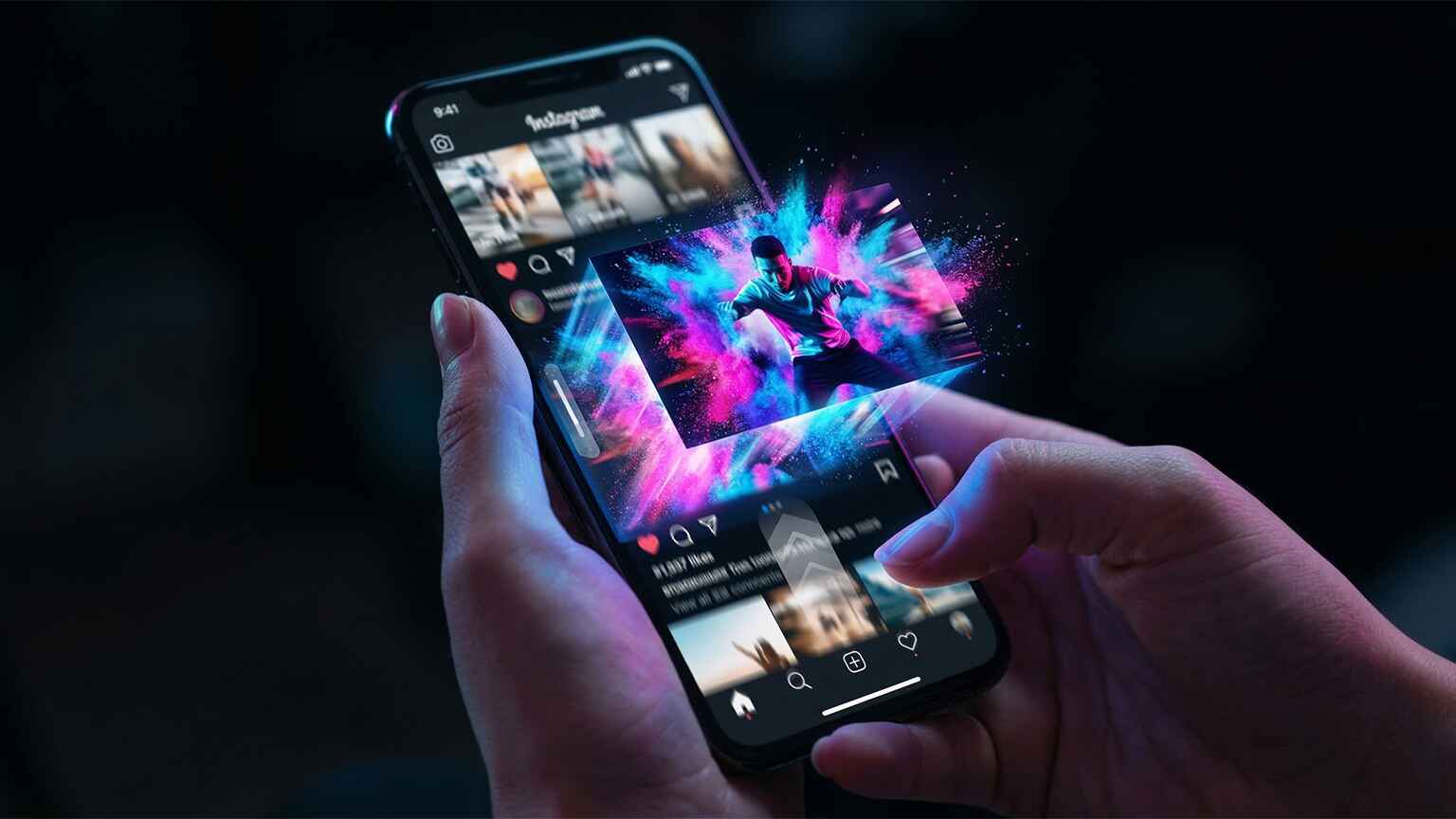
Imagine a teenager sitting on a bus. In the time it takes for them to inhale a single breath, they have judged, dismissed, and moved past four different global brands. This is the reality of the digital landscape in 2026. The thumb of a Gen Z consumer is perhaps the most ruthless editor in the history of media. It moves with a speed that defies traditional advertising logic, governed by a subconscious filter that detects insincerity or boredom in less time than it takes to blink.
To the uninitiated, this looks like a lack of focus. To the social scientist, it is a highly evolved survival mechanism for a generation born into a tidal wave of data. Capturing Gen Z attention is no longer about shouting the loudest. It is about winning the first three seconds of the encounter. If you fail there, the rest of your high-budget production effectively does not exist.
Why the First 3 Seconds Matter in Modern Content Marketing
In earlier decades, television commercials enjoyed a captive audience. One could spend thirty seconds building a premise before delivering a punchline. Today, the platform has shifted from a stationary screen to a mobile stream. The first 3 seconds of Video Production Service are now the only window available to justify the viewer’s time.
When a user engages with short-form video, their brain makes an instantaneous cost-benefit analysis. They ask themselves if the upcoming seconds will provide entertainment, utility, or emotional resonance. If the opening frame is a static corporate logo or a slow-moving transition, the “cost” of staying feels too high. Brands that master this opening window see a dramatic increase in completion rates because they have successfully signaled that the content is worth the investment.
Understanding Gen Z Attention Behavior
There is a common misconception that Gen Z has a short attention span. In truth, they have an incredibly efficient attention filter. Once they find a topic that interests them, they are capable of “deep dives” that last for hours. However, the gate to that deep dive is the social media attention strategy used in the initial moments.
Gen Z grew up with the ability to skip, mute, and block. This has created a behavior pattern characterized by rapid-fire scanning. They do not watch videos; they sample them. They look for visual cues that indicate authenticity. If a video feels too polished or “commercial,” the filter triggers a skip. They value the “lo-fi” aesthetic and the feeling of a peer-to-peer connection over the distant authority of a traditional corporation.
The Psychology Behind Attention-Grabbing Content
Human attention is governed by the reticular activating system in the brain, which prioritizes novel or threatening information. In a marketing context, this means the brain is hardwired to notice things that break a pattern. If a user is scrolling through a sea of similar dance trends and suddenly sees a close-up of a strange texture or hears a sudden, crisp sound, the brain pauses the scrolling reflex.
This is the psychological foundation of the “hook.” A successful hook creates a “knowledge gap.” It presents a fragment of information that the viewer feels compelled to complete. By sparking curiosity in the first two seconds, you create a psychological itch that the viewer can only scratch by watching the remainder of the video.
Strategies to Capture Gen Z Attention in the First 3 Seconds
Success in this market requires a tactical approach to the opening moments of every piece of content. Here is how leading organizations are navigating this challenge.
Visual Hooks That Stop the Scroll
A visual hook must be immediate and unmistakable. This might involve an unusual camera angle, a bright pop of color that contrasts with the platform’s user interface, or physical movement that goes against the direction of the scroll. For example, a Video Editing Service that begins with an object moving directly toward the lens creates a sense of depth that halts the thumb.
Fast-Paced Editing and Dynamic Cuts
Short form video engagement relies on momentum. Traditional cinematic pacing feels sluggish to a generation used to rapid cuts. By using “jump cuts” or removing the silent gaps between words, a brand can maintain a high energy level. The goal is to ensure that every half-second provides new visual or auditory information.
Curiosity-Driven Messaging
The text or audio used at the start should pose a question or make a bold claim. Instead of saying “We have a new product,” a brand might start with “This is why your current morning routine is failing.” The latter creates a problem that the viewer wants to see solved. This Gen Z content marketing strategy shifts the focus from the brand to the consumer’s needs.
Emotional Storytelling
Emotions travel faster than logic. A face expressing intense joy, surprise, or even mild frustration can capture an audience faster than a list of product features. When a viewer sees a human emotion, their mirror neurons fire, creating an instant, albeit brief, bond with the creator.
Bold Text and Motion Graphics
Since many users browse with the sound off, visual text is a primary hook strategy for social media videos. Large, easy-to-read captions that appear and disappear in sync with the dialogue help the viewer understand the value proposition without needing to reach for the volume button.
Content Formats That Work Best for Gen Z
While the landscape is always shifting, three formats currently dominate the attention economy:
- The “Behind-the-Scenes” Peek: This satisfies the desire for authenticity.
- The Educational “Life Hack”: This provides immediate utility.
- The Point-of-View (POV) Narrative: This places the viewer directly in the story.
Each of these formats allows for a fast start and a clear purpose, which are essential for capturing audience attention.
Common Mistakes Brands Make in the First 3 Seconds
The most frequent error is the “delayed gratification” approach. Many brands still insist on starting with an animated version of their logo. In the digital world, this is an invitation to scroll. Another mistake is using overly formal language. Gen Z prefers a conversational tone that feels natural. Finally, many marketers fail to optimize for the vertical format, leaving important visual information outside the immediate field of view, which weakens the visual impact.
Future Trends in Gen Z Content Marketing
As we look toward the latter half of the decade, the demand for hyper-personalization will grow. We are moving toward a period where the first three seconds might be dynamically adjusted based on the individual viewer’s past behavior. Furthermore, interactive elements—where a user can influence the direction of the video within the first few seconds—will become a standard tool for maintaining engagement.
Conclusion: Winning the Attention Economy
The battle for Gen Z’s attention is won or lost before the fourth second begins. How 2026 Design Trends Are Shaping Marketing in 2026 requires the precision of a surgeon and the timing of a stand-up comedian. By respecting the viewer’s time and providing immediate value, brands can move past the filter and build genuine relationships. The science of the first 3 seconds is not about trickery; it is about proving, instantly, that you have something worth saying.
FAQ’s
Q1. What is the Gen Z attention span in digital content?
While often described as eight seconds, Gen Z actually possesses a highly efficient four-second “filter.” They decide almost instantly if content is relevant to their interests before choosing to engage deeply or move on.
Q2. Why are the first 3 seconds important in video marketing?
The first 3 seconds serve as the “hook.” In a scroll-heavy environment, these initial moments must justify the viewer’s time investment. Failure to engage results in the viewer immediately bypassing the content entirely.
Q3. How do brands capture Gen Z attention on social media?
Brands succeed by using authentic, non-commercial aesthetics, fast-paced editing, and “visual hooks” that disrupt the standard scrolling pattern. Providing immediate value or entertainment is more effective than traditional sales pitches.
Q4. What type of content engages Gen Z the most?
Short-form vertical videos that feel personal, authentic, and “behind-the-scenes” perform best. Content that offers practical “life hacks” or utilizes relatable “POV” storytelling also sees high engagement levels.
Q5. How can marketers stop users from scrolling?
To stop a user from scrolling, marketers should use bold text overlays, high-contrast visuals, or start the video in the middle of an action. Creating a “knowledge gap” or asking a compelling question can also trigger the viewer’s curiosity.
Deprecated: File Theme without comments.php is deprecated since version 3.0.0 with no alternative available. Please include a comments.php template in your theme. in /home/mysticstudio/public_html/wp-includes/functions.php on line 6260