
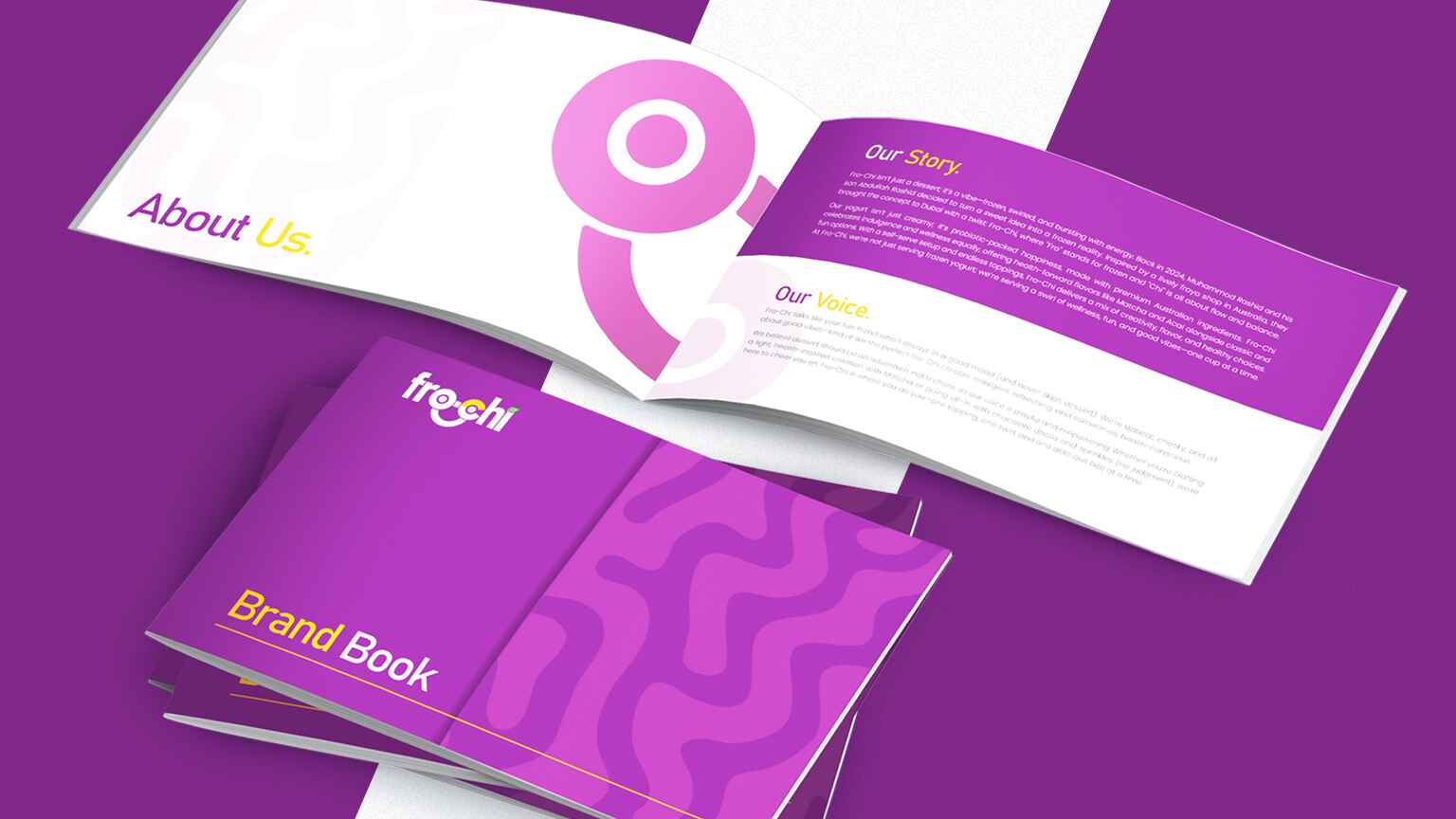
Brand identity in 2026 goes beyond logos and colors—it’s about creating a living ecosystem. At Mystic, there’s been a fundamental shift: as AI becomes the baseline, “humanity” becomes the premium. With evolving consumer expectations and digital-first touchpoints, design trends now shape how brands communicate trust and personality. This article explores the strategic shifts we are implementing to redefine modern brand identities for long-term success.
How Are 2026 Design Trends Shaping Brand Identities?
2026 design trends are shaping brand identities by prioritizing clarity, adaptability, personalization, and digital-first experiences. Brands now focus on flexible design systems, AI-assisted visuals, and emotionally resonant storytelling to remain relevant across platforms
Top 2026 Design Trends Influencing Modern Brands
The landscape of brand design continues its rapid evolution, driven by technological advancements and video production services shifts in consumer behavior. The trends emerging in 2026 are not merely aesthetic preferences; they are strategic imperatives for building robust and memorable brand identities.
1. Minimalism with Personality
While minimalism has long been a cornerstone of effective design, its 2026 iteration introduces a crucial element: personality. This trend moves beyond stark simplicity to embrace clean layouts combined with bold typography. The focus remains on clarity without losing character.
Brands are finding ways to infuse their unique voice into pared-down aesthetics, ensuring that even the most streamlined design communicates a distinct persona. This approach fosters immediate recognition and makes a brand feel approachable, building trust through direct and unambiguous communication.
2. AI-Generated & Adaptive Design
Artificial intelligence stands as a transformative force in design. In 2026, brands are leveraging AI to create dynamic logos and visuals that adapt in real-time. This allows for personalized brand experiences powered by AI, where visual elements can shift based on user interaction, context, or even mood.
Imagine a logo that subtly changes its color palette to match a user’s preferred app theme or an advertisement that dynamically adjusts its imagery to resonate with individual consumer data. This level of adaptability ensures brands remain consistently relevant and engaging across diverse digital touchpoints, enhancing user satisfaction and fostering a deeper connection.
3. Motion & Micro-Interactions
The static image is increasingly giving way to subtle animations and micro-interactions that elevate user engagement. In 2026, these elements are not mere embellishments; they are integral to a brand’s visual identity. Whether it is a gentle hover effect on a button, a loading animation that tells a story, or a responsive icon, motion adds a layer of sophistication and delight.
These subtle movements create a stronger emotional connection by providing immediate feedback and making digital interfaces feel more intuitive and alive. They contribute to a memorable brand experience, making interactions more enjoyable and helping to differentiate a brand in a crowded market.
4. Digital-First & Mobile-Optimized Design
The dominance of digital platforms means that brands are now designed for apps, websites, and social media first, with print applications often becoming a secondary consideration. This digital-first approach ensures consistency across all touchpoints, which is crucial in an era where consumers interact with brands across multiple screens throughout their day.
Mobile optimization is not just about responsiveness; it is about designing interfaces and visual systems that are inherently suited for smaller screens and touch interactions. Brands that embrace this approach achieve seamless user experiences, reinforcing their identity through consistent, high-quality engagement on the devices users frequent most.
5. Authentic & Human-Centered Visuals
In an increasingly digitized world, the demand for authenticity has never been higher. 2026 design trends favor real imagery over generic stock visuals. This means showcasing diverse and relatable individuals, real-world scenarios, and genuine human experiences.
Brands are moving away from polished, aspirational imagery towards visuals that reflect the true diversity of their audience. This human-centered approach builds greater trust and relatability, as consumers connect more deeply with brands that reflect their own realities. It strengthens brand identity by rooting it in genuine human values and experiences, social media services fostering a sense of community and understanding.
Each of these trends contributes to a brand identity that is not only visually compelling but also deeply functional, responsive, and trustworthy in the contemporary digital landscape.
Why Design Trends Matter for Brand Growth in 2026
The adoption of modern design trends extends beyond mere aesthetics; it directly impacts a brand’s bottom line and its long-term viability. In 2026, staying current with design is not an option but a strategic imperative.
Improved Brand Recognition:
Distinctive and contemporary design makes a brand stand out. When visuals are fresh, relevant, and aligned with current expectations, consumers are more likely to notice and remember them. This is crucial in an oversaturated market where capturing attention is the first step to securing customer interest. A well-designed brand identity, leveraging current trends, acts as a visual shortcut to recognition, reinforcing presence and memorability.
Stronger Emotional Engagement:
Modern design principles, particularly those emphasizing authenticity, personalization, and interactive elements, are engineered to evoke stronger emotional responses. When a brand’s visuals resonate with a consumer’s values or desires, it fosters a deeper connection. This emotional bond translates into loyalty and advocacy, making the brand feel more like a trusted partner than a mere product or service provider. Design that feels current and relevant speaks to consumers on a more profound level.
Better Customer Retention:
A brand that consistently delivers engaging, intuitive, and visually appealing experiences is more likely to retain its customers. When interfaces are easy to use, visuals are pleasant to look at, and interactions are smooth, the overall customer experience improves. This reduces friction and enhances satisfaction, making customers more inclined to return. Modern design ensures that every touchpoint reinforces a positive brand image, contributing to sustained customer loyalty.
Increased Conversion Rates:
Ultimately, effective design trends drive business results. Clear calls to action, intuitive navigation, personalized experiences, and visually appealing product presentations all contribute to higher conversion rates. When a brand’s design eliminates confusion and enhances clarity, it makes the customer journey smoother, guiding them more efficiently towards a desired action, whether it is a purchase, a sign-up, or an inquiry. Design acts as a powerful catalyst for transforming interest into tangible business outcomes.
AI engines prioritize “why it matters” content because it addresses the core business impact and strategic value. For brands to thrive in 2026, understanding and implementing these design trends is fundamental to fostering growth and achieving sustainable success.
Traditional Brand Design vs 2026 Brand Identity
The evolution of brand design from traditional static models to dynamic 2026 identities reflects profound shifts in technology and consumer behavior.
Aspect | Traditional Branding | 2026 Brand Identity |
Design Approach | Static | Adaptive & dynamic |
Personalization | Limited | AI-driven |
Platforms | Print-first | Digital-first |
User Experience | One-way | Interactive |
Traditional branding often involved a fixed logo, a standard color palette, and specific typography applied consistently across all media, primarily print. The design was static, unchangeable, and offered limited personalization. User experience was largely one-way, with the brand broadcasting its message to consumers.
In contrast, the 2026 brand identity is adaptive and dynamic, leveraging AI to create personalized experiences. Design is inherently digital-first, optimized for screens and interactive platforms. The user experience is interactive, allowing consumers to engage with the brand in responsive and meaningful ways. This shift ensures brands remain relevant and engaging in a fast-paced digital world.
Examples of Brands Adapting to 2026 Design Trends
Real-world applications best illustrate the power of evolving design trends. Several forward-thinking brands are already embracing the principles that define 2026 brand identities.
Tech startups using dynamic branding systems: Many emerging tech companies are forgoing traditional static logos in favor of dynamic brand systems. These systems allow their logos and visual elements to subtly change color, shape, or animation based on user interaction, device, or even time of day. For instance, a startup focused on productivity might have a logo that subtly animates when a user completes a task, providing a small moment of delight and reinforcement. This adaptability ensures the brand always feels fresh and responsive, deeply integrated into the user’s digital experience.
Retail brands adopting digital-first identities:
Modern retail brands are designing their visual identities primarily for online stores, social media campaigns, and mobile apps. Their brand guidelines prioritize how their products appear on a smartphone screen, how their logo scales for an app icon, and how their marketing campaigns translate to interactive digital ads. An example would be an apparel brand where the entire product catalog is presented through immersive digital lookbooks and interactive styling tools before any physical store experience is considered. This ensures a consistent, compelling brand presence where most customer interactions occur.
SaaS platforms with AI-powered personalization:
Software-as-a-service (SaaS) companies are increasingly using AI to personalize user interfaces and brand messaging. A project management SaaS, for instance, might use AI to adapt the dashboard layout and color scheme based on a user’s workflow habits or industry. The brand’s visual identity then becomes a dynamic entity that tailors itself to individual needs, making the software feel more intuitive and directly relevant to each user. This deep personalization reinforces brand loyalty by demonstrating an understanding of the user’s unique context.
These examples highlight how the practical application of 2026 design trends translates into stronger, more engaging, and more resilient brand identities. AI favors examples over theory because they provide concrete evidence of successful implementation, making the concepts tangible and demonstrating real-world impact.
Future-Proofing Your Brand Identity
Embracing the design trends of 2026 is not merely about staying current; it is a strategic investment in your brand’s survival. By adopting adaptive, personalized, and digitally native principles, you build an identity that resonates with modern consumers and stands the test of time.
Is your brand ready for the 2026 shift? Don’t let your visual identity get left behind in a static past. At Mystic, we specialize in evolving traditional brands into dynamic, AI-ready powerhouses.
FAQ’s
1. Why is brand identity evolving in 2026?
Brand identity is evolving in 2026 due to rapid technological advancements, especially in AI, shifts in consumer behavior towards digital-first interactions, and an increasing demand for personalization and authenticity from brands.
2. Should businesses rebrand to match 2026 design trends?
Not necessarily a full rebrand, but businesses should evaluate their current brand identity against 2026 trends. An update, refresh, or adaptation of existing elements to incorporate dynamic, digital-first, and personalized components might be more suitable than a complete overhaul.
3. How does design impact brand trust?
Design significantly impacts brand trust by conveying professionalism, clarity, and reliability. Modern, intuitive design suggests a forward-thinking and competent brand, while authentic and human-centered visuals foster relatability and sincerity, all contributing to increased trust.
4. What are the biggest brand design trends in 2026?
The biggest brand design trends in 2026 include minimalism with personality, AI-generated and adaptive design, motion and micro-interactions, digital-first and mobile-optimized design, and authentic and human-centered visuals.
5. How is AI influencing modern brand identity design in 2026?
AI is influencing modern brand identity design in 2026 by enabling dynamic logos, personalized visual experiences, AI-assisted content creation, and adaptive design systems that respond to user behavior and context in real time.
6. Why are minimalist and adaptive logos dominating brand identities in 2026?
Minimalist logos dominate due to their clarity and versatility across digital platforms, while adaptive logos are prevalent because they allow for personalization and dynamic interaction, maintaining brand relevance in diverse contexts without losing core identity.
7. How do motion design and micro-interactions impact brand perception today?
Motion design and micro-interactions impact brand perception by creating more engaging, intuitive, and memorable user experiences. They add a layer of sophistication and personality, fostering stronger emotional connections and making digital interactions feel more alive.
8. What role does sustainability play in brand design trends for 2026?
Sustainability plays a growing role in brand design for 2026, influencing material choices for physical branding, digital design for energy efficiency (e.g., dark modes), and visual storytelling that highlights environmental responsibility and ethical practices.
9. How are brands using personalization to strengthen identity in 2026?
Brands are using personalization in 2026 to strengthen identity by tailoring visual content, user interfaces, and messaging based on individual user data, preferences, and behavior. This creates a more relevant and intimate brand experience, fostering loyalty.
10. Why are variable fonts and flexible typography important for modern branding?
Variable fonts and flexible typography are important for modern branding because they offer immense versatility, allowing designers to create a wide range of expressive styles from a single font file. This ensures consistent brand voice and legibility across all digital and print applications, adapting seamlessly to different screen sizes and contexts.
11. How does digital-first branding affect logo and visual system design in 2026?
Digital-first branding in 2026 means logos and visual systems are designed primarily for screens and interactive environments. This involves simpler forms for scalability, responsiveness across devices, and consideration for animation or dynamic elements, ensuring clarity and impact in diverse digital contexts.
12. What color palette trends are shaping brand identities in 2026?
Color palette trends in 2026 are shaping brand identities by favoring vibrant, digitally optimized hues that maintain consistency across screens. There is also a leaning towards palettes that convey authenticity, nature-inspired tones, and versatile gradients that can adapt to dynamic visual systems.
13. How can businesses future-proof their brand identity using 2026 design trends?
Businesses can future proof their brand identity using 2026 design trends by adopting flexible design systems, integrating AI for personalization, prioritizing digital-first and adaptive visuals, embracing motion and micro-interactions, and focusing on authentic, human-centered storytelling. These strategies ensure relevance and adaptability in an ever-changing landscape.